
Fraud in Finance: Overview, Types, and Characteristics
- Peak Frameworks Team

- Apr 8
- 4 min read
If you're interested in breaking into finance, check out our Private Equity Course and Investment Banking Course, which help thousands of candidates land top jobs every year.
What is Fraud?

Before diving into the components of the Fraud Triangle, it's essential to understand the fundamental concept of fraud in the financial sector. Fraud, at its core, is an intentional act of deception involving financial transactions for personal gain. This deceitful action is not only unethical but also illegal, posing significant risks to businesses and economies.
Characteristics of Fraud
Deception: Fraud involves misleading others, often through false statements or concealment of the truth.
Intentionality: It is carried out with the intent to deceive for personal or organizational gain.
Financial Aspect: Fraud always has a financial component, whether it involves misappropriation of assets, financial statement fraud, or other forms of monetary deceit.
Types of Fraud in Finance
Asset Misappropriation: This involves stealing or misusing an organization's resources, like embezzling cash or falsifying expense reports.
Financial Statement Fraud: Manipulating financial records to present a more favorable picture of a company’s financial status, such as overstatement of revenue or understatement of expenses.
Corruption: This includes practices like bribery, kickbacks, and other forms of unethical business conduct.
Impact of Fraud
The consequences of financial fraud are far-reaching:
Financial Loss: Companies can suffer significant financial damage, affecting profitability and investor confidence.
Reputational Damage: The discovery of fraud can lead to a loss of reputation, impacting customer trust and business relationships.
Legal Consequences: Individuals and companies engaged in fraudulent activities face legal actions, including fines and imprisonment.
Understanding the nuances of fraud is crucial for finance professionals. It enables them to identify potential red flags and implement effective measures to prevent fraudulent activities within their organizations.
Understanding the Fraud Triangle

The Fraud Triangle is a model developed to explain the factors that cause someone to commit occupational fraud. It consists of three components: Opportunity, Pressure, and Rationalization.
Opportunity
Opportunity arises when an individual can commit fraud with a reasonable expectation of not being caught. This situation often occurs in environments with inadequate internal controls or oversight.
For example, the 2011 Olympus scandal, where executives hid $1.7 billion in losses, was partly due to poor governance structures that provided the opportunity for such large-scale fraud.
Pressure
Pressure, often financial in nature, drives individuals to commit fraud. It can stem from personal debt, lifestyle aspirations, or professional targets.
A notable case is the 2015 scandal involving Toshiba, where executives overstated profits by $2 billion over seven years due to unrealistic profit targets.
Rationalization
Rationalization is how individuals justify their fraudulent actions to themselves. This might involve perceiving the act as borrowing money temporarily or convincing oneself that the action is for the greater good of the company.
An example of this was seen in the Wells Fargo scandal (2016), where employees, under pressure to meet sales targets, rationalized creating fake customer accounts.
The Psychology Behind Rationalization
Moral Justification
Fraudsters often rationalize their actions by framing them as morally acceptable. For instance, an employee who embezzles funds might justify it as a means to support their family, viewing it as a necessity rather than a crime.
Minimization
This involves downplaying the severity of the fraud. An individual might think, "I’m just borrowing the money, I’ll pay it back later," or "It’s just a small amount, it won’t hurt the company."
Blaming External Pressures
Sometimes, individuals blame external circumstances, such as pressure to meet financial targets, as the reason for their fraudulent actions.
Examples in the Financial Sector
A notable instance where rationalization played a role was in the Bernie Madoff Ponzi scheme. Madoff rationalized his actions by initially believing he could cover the fraud and eventually repay his investors. This self-deception spiraled into one of the largest cases of financial fraud in U.S. history.
Addressing Rationalization
To mitigate rationalization in the workplace:
Ethical Culture: Foster an ethical work environment where honesty and integrity are valued and reinforced through policies and leadership.
Employee Support Systems: Implement support systems for employees facing personal or professional pressures, reducing the likelihood of them resorting to fraud.
Education and Awareness: Regular training sessions on ethical behavior and the consequences of fraud can help employees recognize and resist rationalizations.
How to Spot Fraud
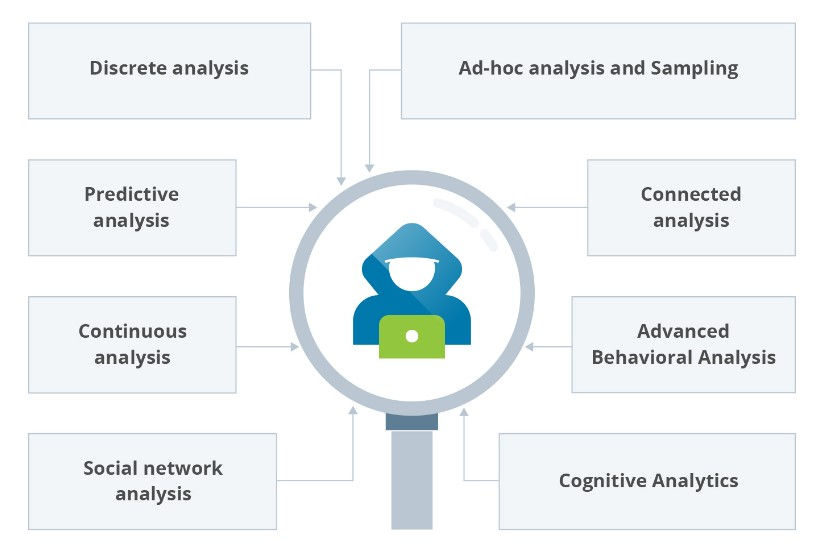
Effective fraud detection involves being vigilant about various warning signs and inconsistencies that may indicate fraudulent activities. Here are key strategies and indicators to help spot fraud:
Unusual Financial Discrepancies
Inconsistent Records: Mismatches or anomalies in financial statements, such as unexplained discrepancies between the subsidiary's books and bank statements.
Irregular Transactions: Unusual patterns or unexplained transactions, especially those occurring at odd times or for unusual amounts.
Behavioral Red Flags
Lifestyle Changes: Employees exhibiting sudden and unexplained changes in lifestyle, which might indicate they are living beyond their means.
Reluctance to Share Information: Individuals who are unusually secretive or defensive about sharing financial information or allowing access to certain records.
Weak Internal Controls
Lack of Segregation of Duties: Duties are not properly segregated, with one individual having control over multiple aspects of financial transactions.
Inadequate Auditing Processes: Poor auditing practices, including infrequent audits or audits that are always conducted by the same individuals.
Operational Inefficiencies
High Employee Turnover: Especially in financial or auditing departments, which can indicate a toxic environment or internal issues.
Complaints or Tips: Reports from employees, customers, or suppliers about suspicious activities can often be a crucial indicator of fraud.
Technological Signs
Unusual System Access: Access to financial systems at odd hours or from unusual locations.
Tampering with Records: Evidence of altered or deleted financial records.
Preventing Fraud
To mitigate the risk of fraud, organizations must address each component of the Fraud Triangle:
Reducing Opportunity: Implement robust internal controls and a transparent corporate governance structure. Regular audits and employee training can also play a crucial role.
Alleviating pressure: Set realistic targets and create a supportive work environment. It's important to have open communication channels for employees to discuss their challenges.
Addressing Rationalization: Cultivating an ethical workplace culture and having a clear code of conduct helps discourage the rationalization of fraudulent behavior.
Conclusion
Recognizing and addressing each element of the Fraud Triangle is vital in combating financial fraud. As finance professionals, it's our responsibility to remain vigilant and uphold the highest ethical standards.


