
Shell Corporation: Everything You Need to Know

If you're interested in breaking into finance, check out our Private Equity Course and Investment Banking Course, which help thousands of candidates land top jobs every year.
Defining Shell Corporations
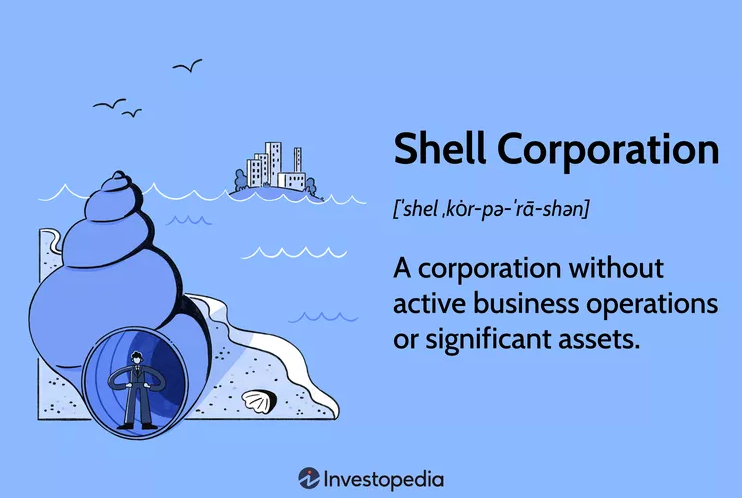
A shell corporation is a company with no active business operations or significant assets. These entities are legal and can be established across various jurisdictions worldwide. Unlike traditional corporations, which engage in commercial or industrial operations, shell corporations often serve specific, strategic purposes for their owners.
The Purpose and Uses of Shell Corporations
Legitimate Uses
Shell corporations are not inherently nefarious. They play legitimate roles in the business ecosystem, including:
Asset Holding: Many companies use shell corporations to hold assets such as real estate or intellectual property. This separation of assets can help in risk management and asset protection strategies.
Simplifying Business Operations: Shell corporations can streamline operations by serving as a holding company for multiple subsidiaries, making management and financial reporting more efficient.
Controversial Uses
However, the opacity of shell corporations also makes them attractive for less savory purposes:
Tax Avoidance: By domiciling in low-tax jurisdictions, some corporations use shell entities to minimize tax liabilities legally.
Privacy: Individuals and corporations may use shell companies to disguise ownership or the true beneficiaries of financial activities.
The Role of Shell Corporations in Finance
Shell corporations hold a significant place in finance, especially in complex transactions:
Private Equity and Investment Banking: In mergers and acquisitions, shell corporations can act as vehicles to facilitate transactions, often to optimize tax or for strategic restructuring purposes.
Legal and Ethical Considerations

The legality of shell corporations varies by jurisdiction, but they are generally legal if used in compliance with the law. Ethically, however, their use becomes contentious when it strays into tax evasion or conceals illicit activities.
In North America, particularly the U.S., regulations like the Corporate Transparency Act aim to peel back the layers of anonymity surrounding shell corporations by requiring them to disclose their beneficial owners.
Understanding and adhering to the regulatory landscape is crucial for finance professionals. The aforementioned Corporate Transparency Act represents a significant shift towards transparency, demanding detailed reporting of beneficial ownership information.
Shell Corporations in Practice
Positive Use Case
Example: Google's acquisition of Nest Labs in 2014 involved the use of a shell corporation named "Raven Acquisition Corp". This entity facilitated the transaction, demonstrating how shell corporations can serve legitimate, strategic purposes in high-stakes corporate acquisitions.
Negative Use Case
Conversely, the 2016 Panama Papers leak exposed how individuals and companies globally exploited shell corporations for tax evasion and other illegal activities, underscoring the potential for misuse.
Conclusion
Shell corporations stand at the intersection of legality and controversy, embodying the dual nature of modern finance tools. While they can facilitate legitimate business strategies, their misuse raises significant ethical and legal concerns.
As finance professionals, it is our responsibility to navigate these complexities with integrity, ensuring that our engagements with shell corporations adhere to both the letter and spirit of the law. In doing so, we uphold the principles of transparency and accountability that are foundational to the trust placed in us by our clients and society at large.


