
Renewable Resources: Definition, Types, and Benefits
- Peak Frameworks Team

- Apr 7
- 4 min read
If you're interested in breaking into finance, check out our Private Equity Course and Investment Banking Course, which help thousands of candidates land top jobs every year.
What Are Renewable Resources?

Renewable resources are materials or energy sources that can be naturally replenished over short periods of time. Unlike fossil fuels, which take millions of years to form and are exhaustible, renewable resources are sustainable as long as they are managed appropriately.
These resources are termed “renewable” because they either regenerate quickly or are available in abundant supply, minimizing depletion risks.
In an era marked by growing environmental concerns and a global push toward sustainability, the importance of renewable resources has never been greater. Understanding what renewable resources are and how they function is key to shaping a sustainable future.
Key Benefits of Renewable Resources
The transition to renewable energy is not just a choice; it's a necessity. As global economies grow, the demand for energy skyrockets. Relying solely on fossil fuels is not sustainable due to their limited availability and harmful environmental effects.
Environmental Benefits
Renewable energy sources produce little to no greenhouse gas emissions compared to fossil fuels. Solar, wind, and hydropower, for example, generate energy without releasing carbon dioxide, sulfur dioxide, or nitrogen oxides—key contributors to climate change, acid rain, and air pollution.
Economic Advantages
Investing in renewable energy can drive economic growth by creating jobs, fostering innovation, and reducing dependence on imported fuels. Many countries have developed policies and incentives to encourage the adoption of renewables, providing tax credits and subsidies for renewable energy projects.
Energy Security
Renewable resources offer a reliable alternative to depleting fossil fuel reserves. By diversifying energy sources, countries can improve their energy security and reduce vulnerability to geopolitical instability or fluctuations in global oil prices.
Long-term Sustainability
Renewable resources offer a path to a more sustainable future. They are inexhaustible on a human timescale, meaning they will be available for generations to come if used responsibly.
Major Types of Renewable Energy Sources
Solar Energy
Solar energy is one of the most abundant renewable resources available. Using photovoltaic cells, solar panels convert sunlight into electricity. Solar power is highly versatile and can be used for everything from residential heating to large-scale power generation.
Advantages:
Unlimited supply: The sun is an abundant and inexhaustible energy source.
Low operating costs: After the initial installation of solar panels, the operational costs are minimal.
Challenges:
Intermittency: Solar energy generation depends on weather conditions and daytime availability, requiring storage solutions like batteries for continuous power supply.
Wind Energy
Wind energy harnesses the power of air currents using wind turbines to generate electricity. Wind farms can be established onshore or offshore, depending on the location's wind patterns and available land.
Advantages:
High efficiency: Modern wind turbines can convert wind energy into electricity with high efficiency.
Scalability: Wind energy can be generated at small or large scales, from single turbines to massive wind farms.
Challenges:
Geographic limitations: Wind energy is highly dependent on location, and not all areas are suitable for wind turbines.
Visual and noise concerns: Wind farms can have a significant visual and noise impact on local communities.
Hydropower

Hydropower is one of the oldest and most widely used renewable energy sources. It generates electricity by using the flow of water, typically in rivers or dams. Hydropower accounts for a significant portion of the world's renewable energy production.
Advantages:
Constant supply: Unlike solar and wind, hydropower can generate electricity consistently, assuming water levels are stable.
Multi-use infrastructure: Dams used for hydropower can also support irrigation and flood control efforts.
Challenges:
Environmental impact: Large-scale dams can disrupt ecosystems, affect fish migration, and alter water quality.
Dependency on water availability: Hydropower is contingent on having sufficient water resources, which can be impacted by droughts or climate change.
Geothermal Energy
Geothermal energy taps into the Earth's internal heat to generate electricity or provide direct heating. This form of energy is particularly effective in regions with high volcanic activity, such as Iceland or parts of the United States.
Advantages:
Sustainable: Geothermal plants produce minimal emissions and have a small land footprint.
Reliable: Geothermal energy is not dependent on weather conditions, making it a consistent power source.
Challenges:
Limited to certain regions: Geothermal resources are not available everywhere and are typically concentrated in specific geographic areas.
High upfront costs: The cost of drilling to access geothermal energy can be prohibitively high in some locations.
Biomass Energy
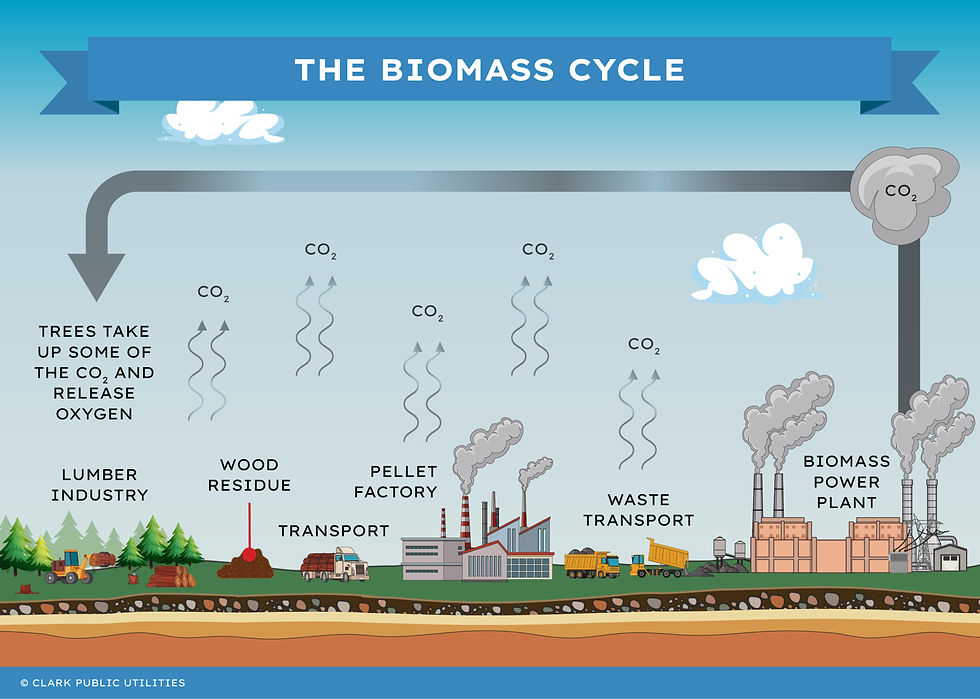
Biomass refers to organic materials, such as wood, agricultural crops, and waste, which are burned or converted into biofuels to generate energy. Biomass can be used for electricity generation, heating, or producing biofuels like ethanol and biodiesel.
Advantages:
Waste reduction: Biomass can recycle agricultural waste and reduce the reliance on landfills.
Carbon neutrality: When managed sustainably, biomass can be considered carbon-neutral, as the carbon dioxide released during combustion is offset by the carbon absorbed during plant growth.
Challenges:
Deforestation risks: Unsustainable sourcing of biomass can lead to deforestation and biodiversity loss.
Pollution concerns: While biomass produces fewer emissions than fossil fuels, it can still generate harmful pollutants, particularly if burned inefficiently.
The Future of Renewable Resources
As technology advances and public policy shifts toward sustainability, the role of renewable resources in global energy markets is expected to grow substantially. Innovations in energy storage, such as battery technology, will help solve intermittency issues associated with solar and wind power. Moreover, international agreements, such as the Paris Climate Accord, are pushing countries to adopt more aggressive renewable energy targets.
Trends Driving Renewable Energy Growth
Government Policies: Many governments provide incentives, tax breaks, and subsidies for renewable energy investments, making it a more attractive option for both private and corporate investors.
Technological Advancements: Continued innovation in energy storage, grid integration, and renewable energy technology is reducing costs and improving the efficiency of renewable resources.
Corporate Sustainability Initiatives: Many corporations are adopting renewable energy to meet sustainability goals and reduce their carbon footprints. Renewable energy is becoming a competitive advantage for companies committed to environmental stewardship.
Conclusion
Renewable resources offer a sustainable, economically viable, and environmentally friendly alternative to traditional energy sources. As the world increasingly moves toward cleaner energy solutions, renewable resources will play a pivotal role in shaping the future of energy production. By investing in and utilizing these resources responsibly, we can ensure energy security, mitigate environmental damage, and pave the way for a more sustainable world.


