
Purchase Order: Definition, Importance, and How it Works

If you're interested in breaking into finance, check out our Private Equity Course and Investment Banking Course, which help thousands of candidates land top jobs every year.
What is a Purchase Order?
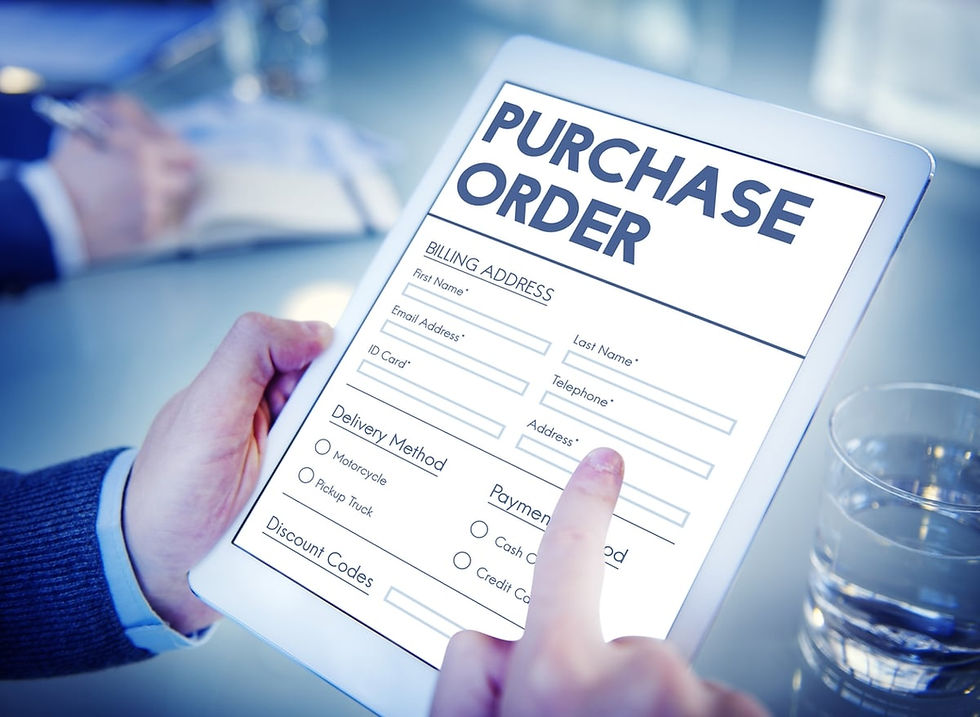
A purchase order is a legally binding document issued by a buyer to a supplier, detailing the products or services required.
It typically includes information such as item descriptions, quantities, pricing, delivery dates, and terms of payment. When the supplier accepts the purchase order, it becomes a legally binding contract between the two parties.
The purpose of a purchase order is to formalize the request for goods or services, ensuring that both parties have a clear understanding of the transaction terms. This process helps prevent misunderstandings, allows for better record-keeping, and serves as an audit trail.
Why Are Purchase Orders Important?
Purchase orders play a critical role in the procurement and purchasing process for several reasons:
1. Clarity and Transparency
Purchase orders provide clear instructions to the supplier, eliminating ambiguity regarding product specifications, quantities, and pricing. This transparency ensures that the buyer receives exactly what they ordered.
2. Legal Protection
Once a supplier accepts a purchase order, it becomes a legally binding contract. This provides legal protection for both parties in case of any disputes regarding pricing, quantity, or delivery terms.
3. Financial Control and Budgeting
Using purchase orders allows businesses to control spending more effectively. They provide a clear record of what has been ordered, enabling the finance team to track expenses and ensure they stay within budget.
4. Streamlined Record-Keeping
Purchase orders serve as a formal record of a transaction, making it easier for companies to track orders, inventory, and payments. This can be particularly useful during audits or when reviewing financial statements.
5. Efficient Inventory Management
With a purchase order, businesses can better manage their inventory levels. The document indicates when products are expected to arrive, allowing for timely restocking and avoiding over-ordering or stockouts.
Key Elements of a Purchase Order
A well-structured purchase order should include the following key elements:
1. PO Number
Each purchase order is assigned a unique identification number. This PO number helps track and reference the order throughout the procurement process and in future communications between the buyer and seller.
2. Date of Issue
The date when the purchase order was created. This is critical for setting timelines and scheduling deliveries.
3. Supplier Information
Details about the supplier, including company name, address, and contact information.
4. Buyer Information
The buyer’s company details, such as name, address, and contact person.
5. Item Description
A detailed description of the goods or services being ordered. This should include item codes, part numbers, and specifications to avoid confusion.
6. Quantity
The exact quantity of each item or service being ordered.
7. Price
The agreed-upon price per unit, as well as the total price for the items listed.
8. Delivery Date
The expected delivery date or time frame within which the goods or services should be delivered.
9. Payment Terms
The terms under which payment will be made, including due dates and any discounts for early payment.
10. Shipping Instructions
Specific instructions for shipping, such as preferred carriers, delivery location, and handling requirements.
11. Additional Terms and Conditions
Any other relevant terms and conditions, such as warranties, return policies, or penalties for late delivery.
Types of Purchase Orders
There are several types of purchase orders, each suited for different business scenarios:
1. Standard Purchase Order
A standard purchase order is the most common type and is used for one-time purchases. It includes all the necessary details like item descriptions, quantities, and payment terms.
2. Blanket Purchase Order
A blanket purchase order is used when a buyer wants to make recurring purchases from the same supplier over a specified period. It outlines the quantity and price agreed upon, but not necessarily the delivery dates.
3. Contract Purchase Order
A contract purchase order is more comprehensive and outlines a broader agreement between the buyer and supplier. It is usually used for long-term projects or services, specifying terms and conditions, pricing, and delivery schedules.
4. Planned Purchase Order
A planned purchase order is used when the buyer knows what they want to purchase and the general delivery time frame but does not yet have exact delivery dates. It helps in planning and budgeting for future purchases.
The Purchase Order Process

Understanding the purchase order process is essential for managing business operations efficiently. The process typically involves the following steps:
1. Creation of Purchase Requisition
The process starts when a department within the company identifies a need for goods or services. They create a purchase requisition, which is an internal document seeking approval to initiate the purchase.
2. Approval of Requisition
Once the requisition is created, it goes through an approval process. The requisition is reviewed, and once approved, it can be converted into a purchase order.
3. Purchase Order Creation
The purchase order is created based on the approved requisition. It is filled out with all relevant information, including item descriptions, quantities, and pricing.
4. Purchase Order Approval and Dispatch
After the purchase order is created, it goes through another round of approval. Once approved, it is sent to the supplier for acceptance.
5. Supplier Confirmation
The supplier reviews the purchase order and either accepts or rejects it. If accepted, the purchase order becomes a binding contract.
6. Receipt of Goods or Services
The supplier delivers the goods or services as per the purchase order’s terms. The buyer inspects the delivered items to ensure they meet the agreed specifications.
7. Invoice Matching and Payment
The supplier issues an invoice, and the buyer matches it against the purchase order and delivery receipt. If everything matches, payment is made as per the agreed terms.
8. Record-Keeping and Closure
Once the transaction is complete, all relevant documents are stored for record-keeping and audit purposes, and the purchase order is closed.
Common Challenges in the Purchase Order Process
Despite its importance, the purchase order process can present several challenges:
Manual Errors: Entering data manually can lead to errors, resulting in incorrect orders or delays.
Approval Delays: Multiple approval steps can slow down the process, especially if automated workflows are not in place.
Miscommunication: Lack of clarity or incomplete information can lead to disputes between the buyer and supplier.
Lack of Visibility: Without a centralized system, tracking purchase orders and their status can be difficult.
Best Practices for Managing Purchase Orders
To optimize the purchase order process, consider implementing the following best practices:
Automate the Process: Use procurement software to automate the creation, approval, and tracking of purchase orders.
Standardize Procedures: Establish standardized procedures for creating and approving purchase orders to minimize errors and delays.
Regular Training: Ensure employees are trained on the purchase order process and understand its importance.
Monitor and Review: Regularly monitor and review purchase order data to identify any issues or areas for improvement.
Conclusion
A well-managed purchase order process is essential for smooth business operations, efficient inventory management, and maintaining good supplier relationships. By understanding the different types of purchase orders, the key elements involved, and the best practices for managing them, businesses can streamline their procurement activities and ensure better financial control.
Implementing a structured purchase order process not only improves transparency and reduces the risk of errors but also enhances the overall efficiency and profitability of a business.


